Входная зона в жилом строении принимает первую нагрузку: мокрую обувь, песок, капли с одежды, уличную пыль. Ошибка начинается с красивой, но нежной отделки. Гладкий пол без защиты скользит, светлая затирка темнеет, рыхлая краска у двери быстро истирается. Практичный подход опирается на устойчивые покрытия, ясную схему хранения и легкую уборку без лишних движений.
Основа порядка
Пол у входа подбирают под грязную нагрузку, а не подвид в каталоге. Пористая поверхность впитывает влагу и держит следы, рельеф с глубокими бороздами собирает песок. Ровное нескользкое покрытие с плотной структурой очищается легче. На стыке с жилой частью полезен заметный переход, чтобы уличная влага не растягивалась дальше по дому.
Стены возле двери страдают от касаний, брызг и ударов сумками. Бумажная отделка быстро теряет опрятность, тонкие панели царапаются от фурнитуры. Нижнюю часть лучше закрывать материалом, который переносит влажную салфетку и не боится трения. Если в семье есть дети или собака, зона контакта расширяется, и защитный участок поднимают выше привычной линии.
Грязь у порога не исчезает от одного коврика. Рабочая схема строится из двух ступеней: задержка влаги снаружи и сбор песка внутри. Наружное полотно снимает крупную грязь с подошвы, внутреннее удерживает остаток и не скользит по основанию. Мягкий ворс без плотной подложки проигрывает: пыль уходит под него, края загибаются, а уборка превращается в постоянное поправление.
Хранение без хаоса
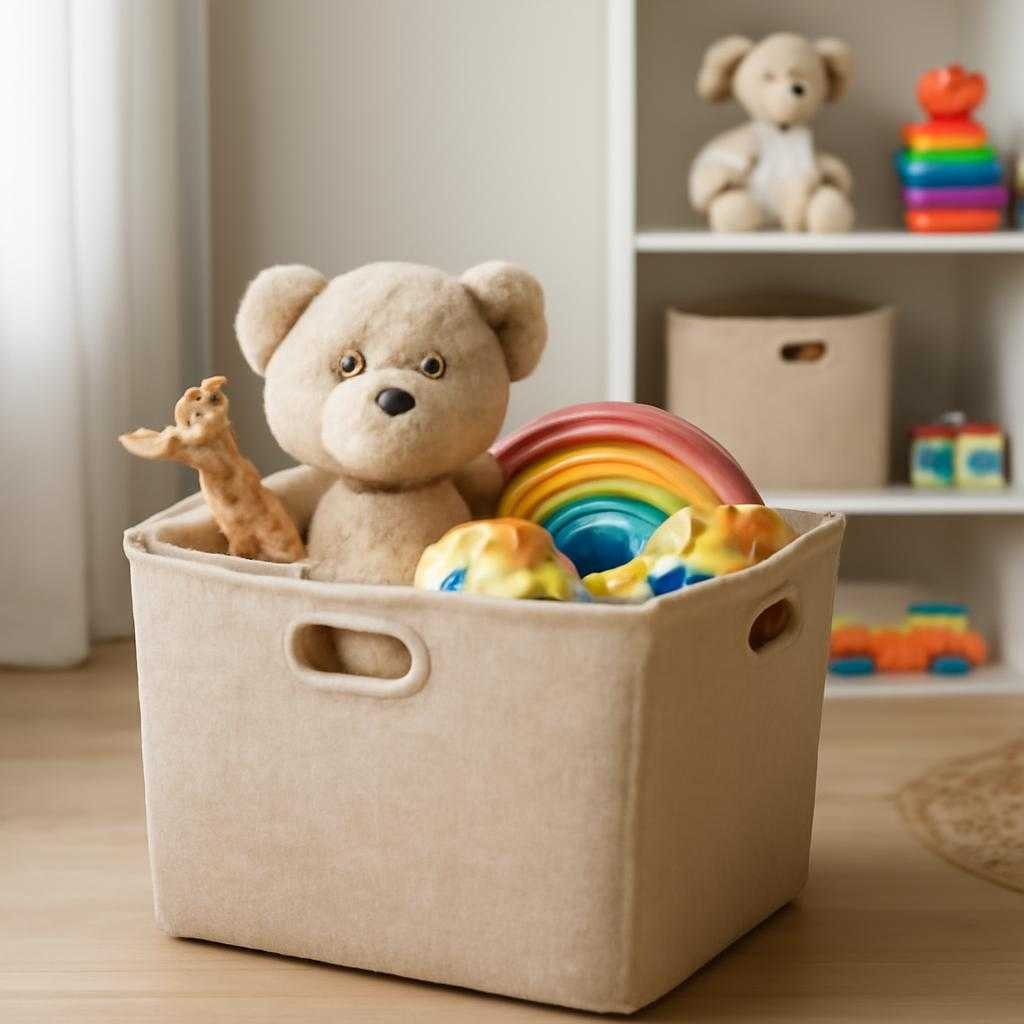
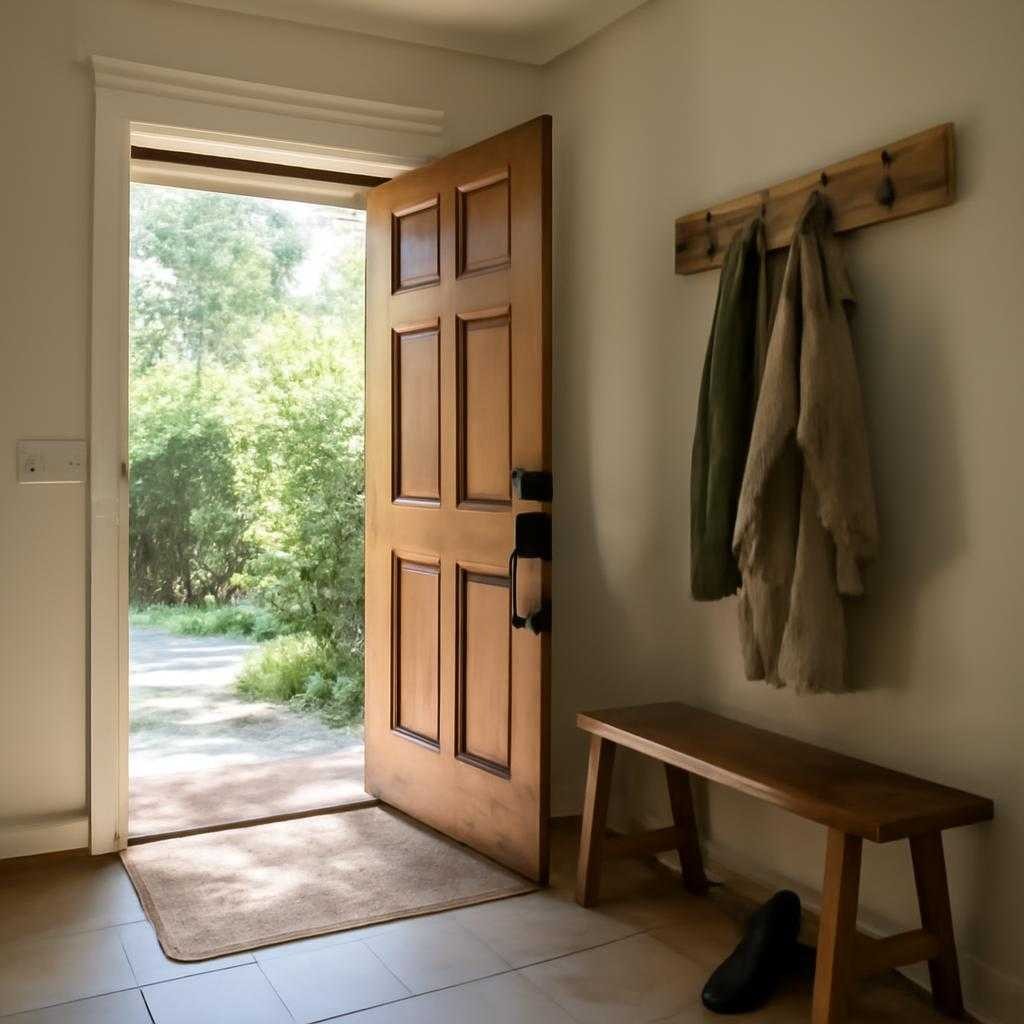
Главный сбой в прихожей в частном доме связан не с площадью, а с отсутствием закрепленных мест. Если ключи, перчатки и поводок кладут на случайные поверхности, беспорядок растет за день. У входа нужен короткий маршрут: пришел, снял, положил, повесил. Для мелочей подходит неглубокая полка или закрытый ящик, для верхней одежды — крючки на разной высоте, для обуви — открытая секция с проветриванием.
Глухой шкаф до пола выглядит аккуратно, но в сырой сезон он создает скрытую проблему. Влажные пары запираются внутри, запах держится дольше, подошвы сохнут медленно. Открытая нижняя часть или решетчатые полки снимают эту нагрузку. Скамья с местом под ботинки экономит шаги: человек переобувается без лишних поворотов и не ставит мокрую пару в жилую комнату.
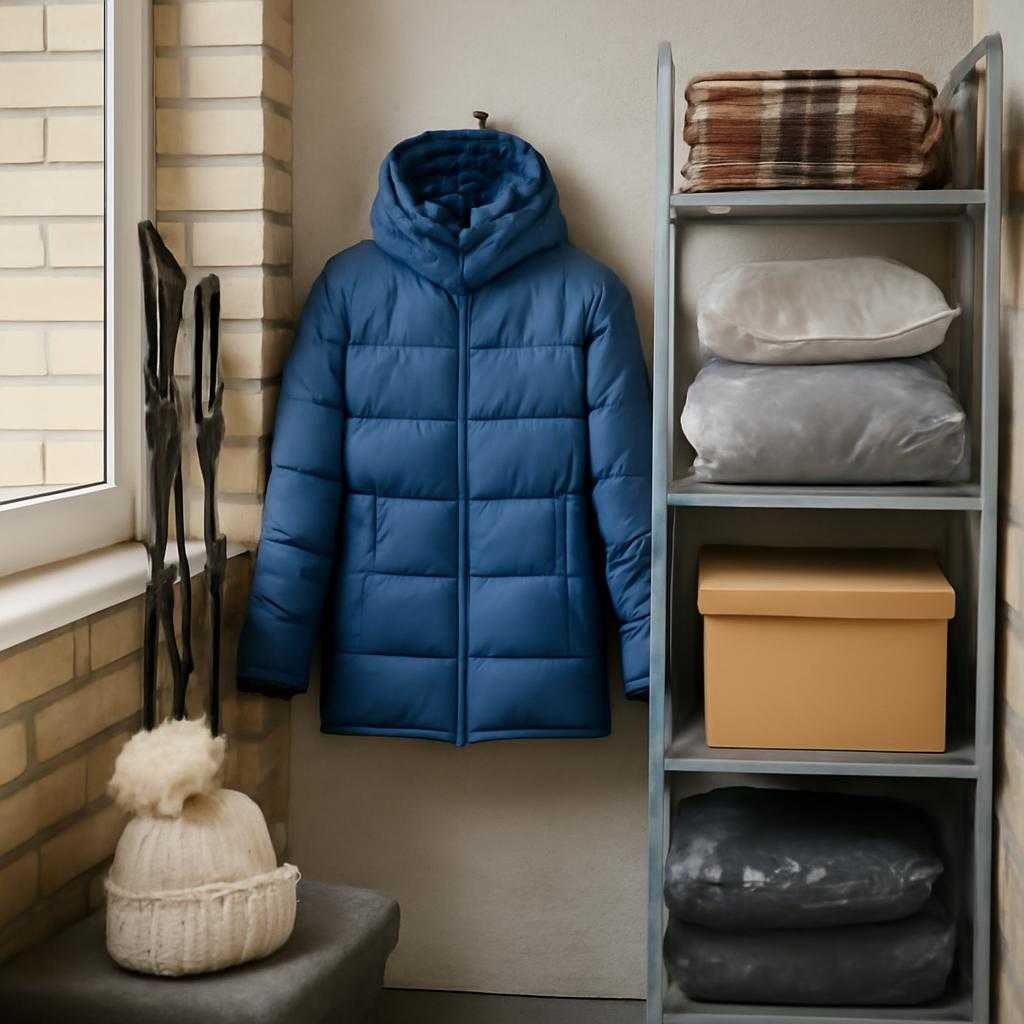
Отдельного внимания требует сезонный обмен вещей. Когда теплая куртка, легкая ветровка и садовая одежда висят рядом, штанга перегружается, а поиск занимает лишнее время. У входа оставляют текущий набор, остальное убирают в запасное хранение. Такой разбор снижает визуальный шум и освобождает проход, особенно в узком помещении.
Свет и воздух
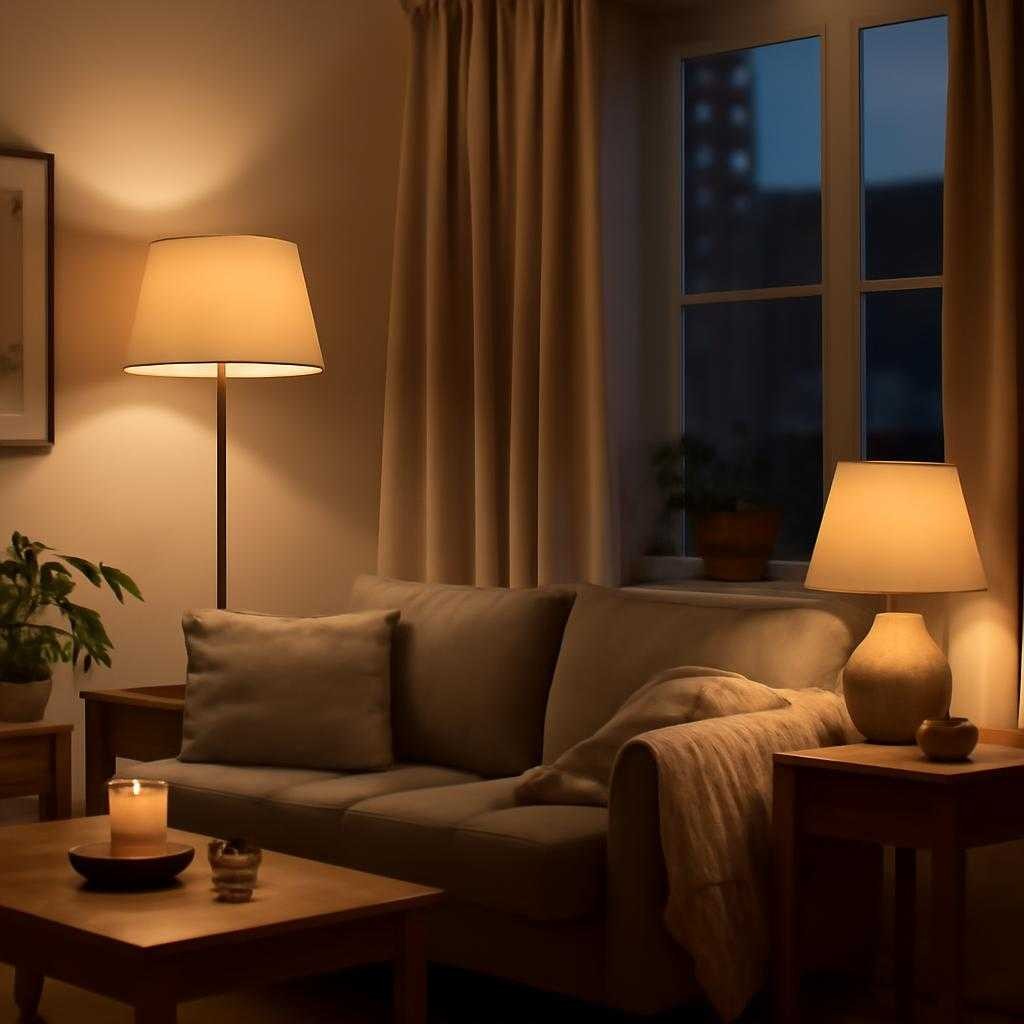
Слабое освещение искажает цвет одежды, прячет загрязнение на полу и создает тени в углах. Один потолочный источник не закрывает задачу у зеркала, шкафа и порога. Световой рисунок собирают из общего света и локальной подсветки в рабочих точках. Тогда человек видит шнурки, крючок, ручку двери и содержимое полки без напряжения для глаз.
Зеркало размещают не ради украшения, а ради действия. Перед выходом человек проверяет вид, поправляет воротник, оценивает обувь. Узкое полотно в темном углу пользы не приносит. Поверхность ставят так, чтобы рядом оставалось свободное место, а свет падал сбоку или сверху без резкого блика.
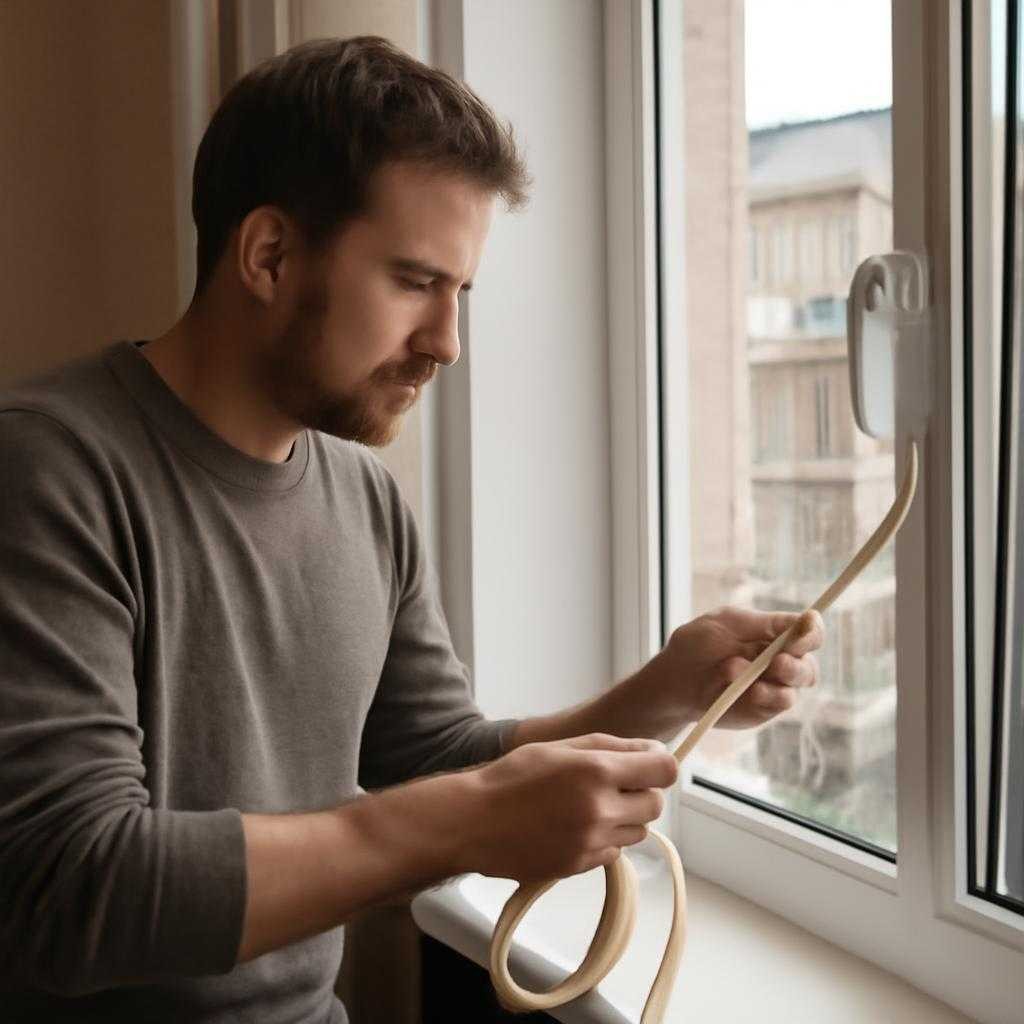
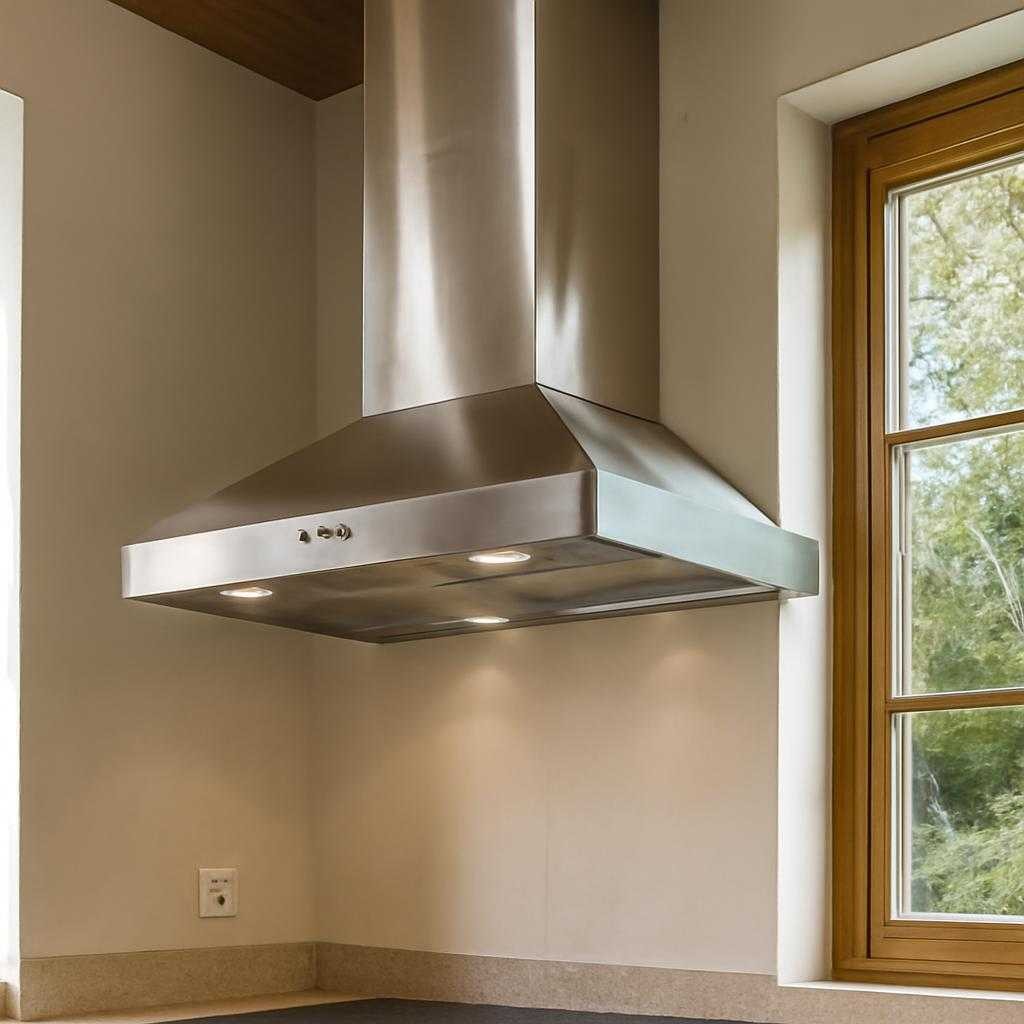
Во входной части скапливается влажный воздух, особенно в сырой сезон и при прямом выходе во двор. Без проветривания сохнет дольше одежда, на полу держится сырость, в шкафу появляется тяжелый запах. Приток и вытяжка решают задачу тише, чем постоянное открывание двери. Если отдельной системы нет, выручает короткое регулярное проветривание через ближайшее окно без охлаждения жилой зоны.
Мелочи, которые меняют быт
Практичность складывается из деталей, которые работают ежедневно. Поддон для мокрой пары собирает воду и защищает покрытие. Зонт держат в емкости с глухим дном, чтобы капли не стекали по стене. Для пакетов, щетки, рожка и средств ухода выделяют закрытую нишу, иначе мелкие предметы расползаются по видимым поверхностям.
Прихожая в частном доме выигрывает от четкого деления на грязную и чистую часть. Первая принимает улицу и удерживает следы, вторая служит для переодевания и прохода дальше. Когда граница считается по полу, цвету и расстановке, уборка занимает меньше сил, а жилые комнаты дольше сохраняют опрятность. Такое устройство не требует сложных приемов, зато убирает основные источники беспорядка.